Health Check Package
Blood Culture and Sensitivity
C/S
৳ 1,5004 tests & screenings included
 SouthApolloWelcome to South Apollo Medical College Hospital.


South Apollo Medical College Hospital
Health Check Package
C/S
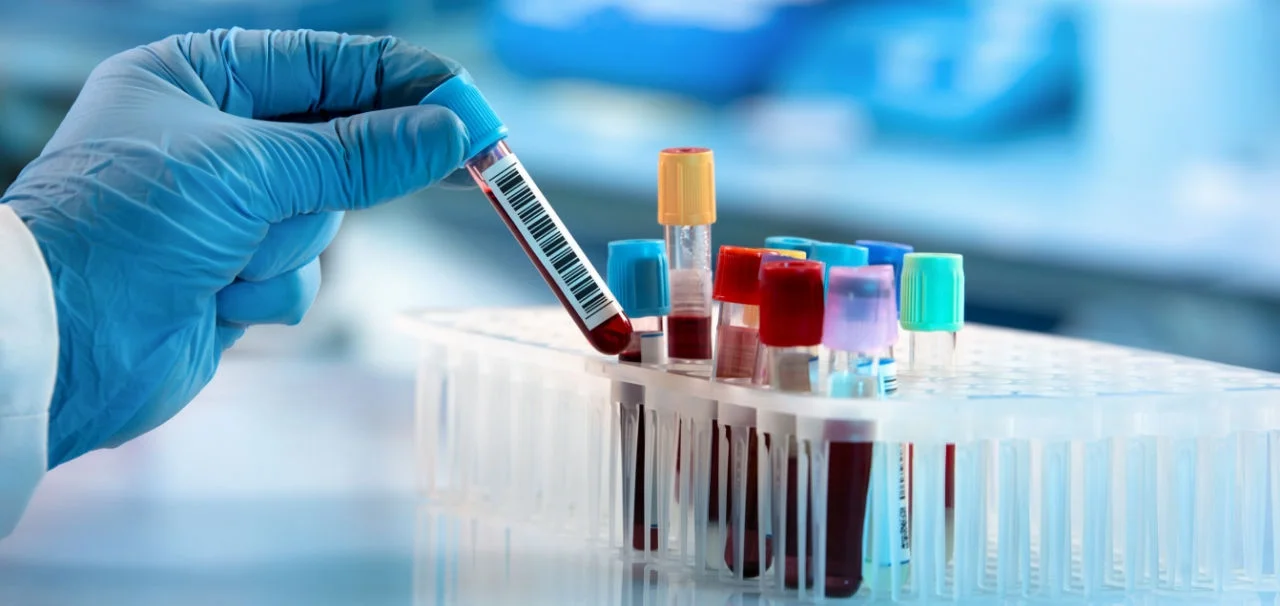
A Blood Culture and Sensitivity (C/S) test is a critical, life-saving microbiological investigation used to detect the presence of harmful microorganisms—such as bacteria or fungi—directly in the bloodstream. The presence of pathogens in the blood (bacteremia or fungemia) can quickly lead to sepsis, a severe and potentially life-threatening systemic infection that requires immediate medical attention. The test involves drawing blood and injecting it into special nutrient-rich culture bottles that encourage the growth of any hidden microbes. If microorganisms multiply, the laboratory identifies the exact species and performs a "Sensitivity" test. This crucial second step exposes the bacteria to various antibiotics to determine exactly which drugs will kill them (susceptible) and which will fail (resistant). This takes the guesswork out of treatment, allowing doctors to switch from broad-spectrum to highly targeted, life-saving antibiotics. Doctors urgently order this test for patients experiencing unexplained high fevers, chills, severe fatigue, rapid heart rate, low blood pressure, or signs of systemic infection. It is especially vital for patients with weakened immune systems, those who have recently undergone surgery, or individuals with indwelling medical devices like IV lines, catheters, or artificial heart valves (to check for endocarditis). To ensure the highest accuracy and prevent false positives from normal skin bacteria, samples are usually collected from two different vein sites. At South Apollo Medical College Hospital, our advanced microbiology laboratory utilizes automated, continuous-monitoring blood culture systems. This state-of-the-art technology rapidly detects microbial growth, often within hours, ensuring our infectious disease specialists and critical care teams get the precise data they need to combat severe infections swiftly and effectively.