Health Check Package
Total Red Blood Cell (RBC) Count
৳ 2004 tests & screenings included
 SouthApolloWelcome to South Apollo Medical College Hospital.


South Apollo Medical College Hospital
Health Check Package
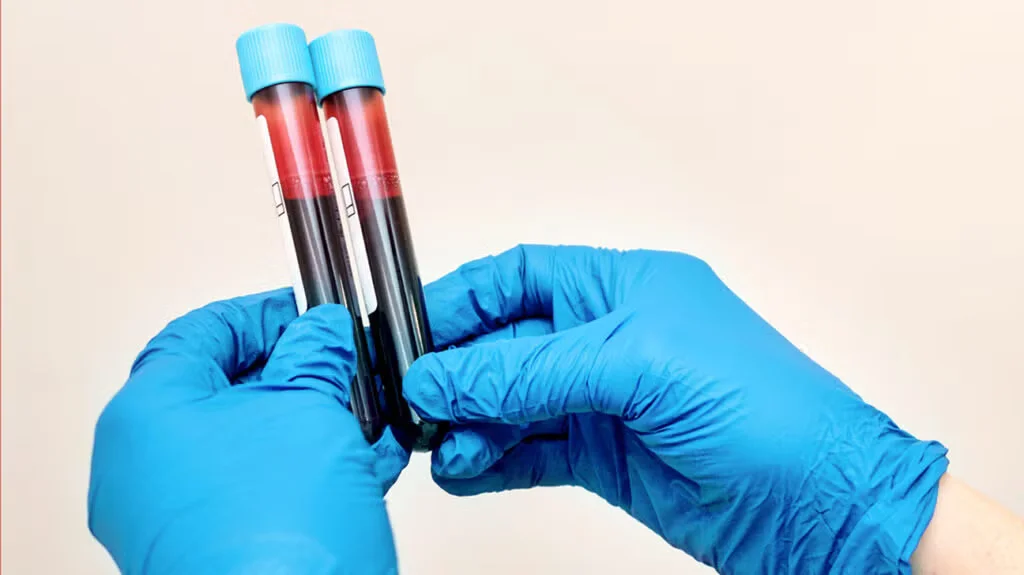
The Total Red Blood Cell (RBC) Count is a fundamental blood test that measures the exact number of red blood cells (erythrocytes) in a specific volume of your blood. Red blood cells are vital for your survival; they contain hemoglobin, the protein responsible for carrying life-sustaining oxygen from your lungs to every tissue and organ in your body, while also transporting carbon dioxide back to the lungs to be exhaled. This test is a crucial indicator of your overall health and oxygen-carrying capacity. A lower-than-normal RBC count indicates anemia, which can be caused by iron or vitamin deficiencies, chronic bleeding, bone marrow issues, or chronic diseases like kidney failure (since the kidneys produce the hormone that stimulates RBC production). Conversely, a higher-than-normal count, known as polycythemia, can be caused by severe dehydration, chronic lung disease, heart defects, or bone marrow disorders, and it can increase the risk of abnormal blood clots. Doctors typically recommend an RBC count if you are experiencing symptoms of anemia, such as persistent fatigue, weakness, pale skin, shortness of breath, dizziness, or cold hands and feet. It is also ordered if you have symptoms of high RBCs, like frequent headaches, flushed skin, or blurred vision. While it is most commonly performed as part of a comprehensive Complete Blood Count (CBC), it can also be ordered individually to monitor specific conditions, assess nutritional status, or track the effectiveness of treatments like iron therapy. The procedure involves a quick, nearly painless blood draw from a vein in your arm, taking only a few minutes. At South Apollo Medical College Hospital, RBC counts are processed using state-of-the-art automated hematology analyzers. Our experienced pathologists meticulously review the results, and if any abnormalities in cell size, shape, or color are detected, a manual Peripheral Blood Film (PBF) is examined under a microscope to ensure a highly accurate and comprehensive diagnosis.